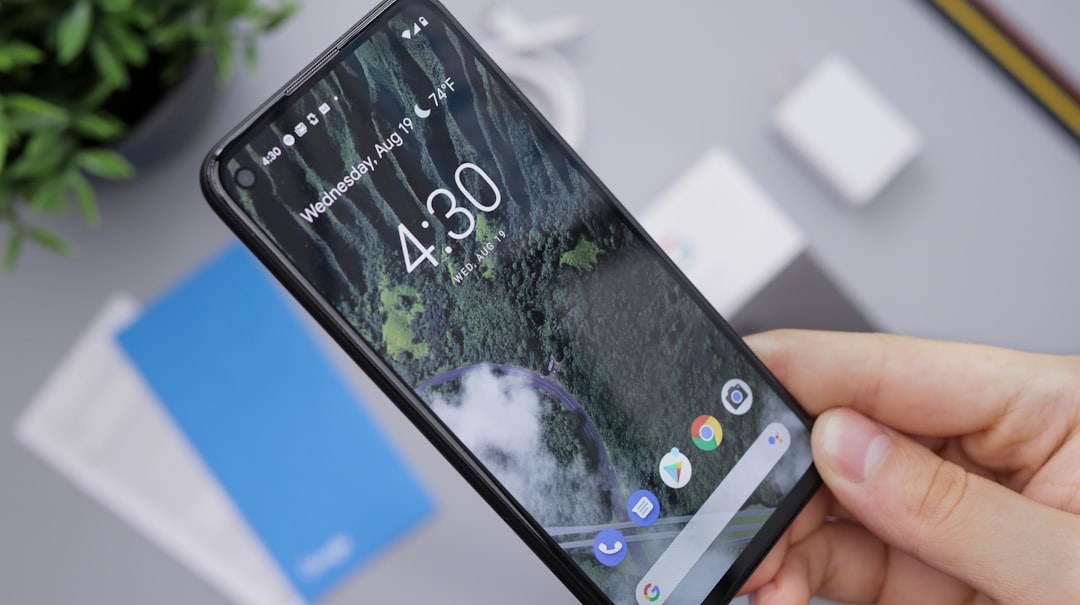
Colorado’s robocall laws aim to protect consumers from intrusive automated calls through explicit consent requirements, a Do Not Call list, and potential fines for violators. Coloradans can combat robocalls using call-blocking apps integrated with state databases, providing feedback to improve AI filters, customizing settings, and registering with the National Do Not Call Registry. While these measures reduce unwanted calls, a comprehensive approach combining technology and awareness is necessary to achieve complete control over communication channels.
In today’s digital age, robocalls have become a pervasive nuisance, with millions of Americans receiving unwanted calls daily. Colorado, like many states, has implemented robust robocall laws to protect residents from these intrusive practices. However, navigating the complex legal landscape and identifying effective solutions can be challenging. This article cuts through the clutter, providing an authoritative guide to the best free apps designed to stop robocalls in Colorado. By leveraging cutting-edge technology and staying informed about local regulations, Coloradans can reclaim their communication channels and enjoy a quieter, more peaceful lifestyle.
Understanding Robocall Laws in Colorado

In Colorado, as across the nation, robocalls have become a pervasive nuisance, with millions of unwanted calls flooding residents’ phones daily. Understanding the robocall laws in Colorado is a crucial step in combating this issue. The state has implemented specific regulations to protect consumers from these automated calls, largely centering on consent and opt-out mechanisms. According to the Colorado Division of Consumer Affairs, businesses must obtain explicit consent before initiating automated telephone marketing calls, including robocalls. This means that residents have the right to refuse such calls and to be removed from calling lists.
One key aspect is the Do Not Call list. Colorado offers a comprehensive registry where individuals can register their phone numbers to limit telemarketing calls. This list is enforced by state law, ensuring that registered numbers are significantly less likely to receive unwanted robocalls. Furthermore, businesses found violating robocall laws in Colorado can face substantial fines and legal repercussions. The Colorado Attorney General’s office actively enforces these rules, demonstrating the state’s commitment to protecting citizens from deceptive or harassing calls.
Practical advice for Coloradans includes staying informed about their rights, registering on the Do Not Call list, and utilizing available apps that can block or identify robocalls. By combining legal protections with technological tools, residents can better navigate this modern challenge. For instance, many free call-blocking apps integrate with state databases to enhance their effectiveness, ensuring that users are not just temporarily shielded from robocallers but are actively contributing to a more robust defense against these intrusive calls.
Top Free Apps to Block Calls Effectively

In today’s digital age, robocalls have become a ubiquitous nuisance, with millions of unwanted calls flooding Colorado residents’ phones daily. According to recent data from the Federal Communications Commission (FCC), over 40 billion robocalls were made in the United States last year, with many targeted towards Colorado consumers. To combat this growing issue, several free apps have emerged as powerful tools, offering effective call blocking and protection under the state’s robust robocall laws. These applications utilize advanced algorithms to identify and block automated telemarketing calls, ensuring Coloradans can enjoy a quieter, more peaceful communication experience.
One of the most popular and highly regarded options is Hiya, available for both iOS and Android devices. Hiya has established itself as an industry leader by analyzing over 50 billion calls annually to create an extensive robocall database. The app not only blocks known spam numbers but also uses machine learning to detect new patterns and emerging scams. Another notable mention is TrueCall, another free solution that offers robust call identification and blocking capabilities. TrueCall’s community-driven approach allows users to report unwanted calls, contributing to a more comprehensive blacklist. This collaborative effort enhances the app’s effectiveness in filtering out robocalls while ensuring it remains up-to-date with the ever-evolving tactics of scammers.
Additionally, apps like NoMoreRobocalls and CallFilter provide advanced call screening and blocking features. These applications not only block automated calls but also offer valuable insights into the types of robocalls received, helping users stay informed and protected under Colorado’s strict anti-robocall legislation. By utilizing these free tools, Coloradans can take a proactive step towards a cleaner, more secure communication environment, ensuring their privacy and peace of mind.
Customizing Settings for Comprehensive Protection

In Colorado, robocalls remain a persistent nuisance, with millions of unwanted calls flooding residents’ phones daily. While pre-installed call blocking apps offer some protection, customizing settings for comprehensive coverage is essential to staying ahead of these automated intruders. This involves fine-tuning privacy configurations and leveraging advanced filtering options available on many free app platforms.
One effective strategy is to adjust the app’s definition of “spam.” Many apps use machine learning algorithms to identify robocalls, but user feedback plays a crucial role in improving accuracy. Encourage your app to learn from your actions by marking legitimate calls as such. This helps train the AI to better distinguish between real conversations and automated spam. Moreover, enabling do-not-disturb modes during specific hours can block calls when you’re most vulnerable to interruptions.
Colorado’s robocall laws provide robust protections for residents, but users should not solely rely on legal measures. Customization goes beyond basic settings; it involves exploring advanced features like call reputation databases and number blacklisting. Apps integrating with government-sponsored anti-robocall initiatives offer added layers of defense. For instance, the National Do Not Call Registry can be synchronized with your app for automated blocking based on federal regulations. Regularly reviewing and updating these settings ensures a dynamic defense against evolving robocall tactics.
Tips to Reduce Unwanted Robo Calls Overall

In Colorado, as across the nation, robocalls remain a persistent nuisance, with millions of unwanted calls flooding consumer phones daily. While comprehensive robocall laws in Colorado offer some protection, reducing these intrusive calls requires a multi-faceted approach involving both technological solutions and proactive measures on the part of individuals.
A key strategy involves utilizing free app-based tools specifically designed to combat robocalls. Apps like Hiya, TrueCall, and NoCall are highly regarded for their advanced AI-powered call identification and blocking capabilities. These applications not only filter out known spam calls but also learn from user reports to continually improve their accuracy. For instance, Hiya, one of the leading robocall blocker apps, leverages a global community of users to build its extensive robot call database, ensuring ongoing updates and effectiveness.
Beyond app-based solutions, consumers can significantly reduce robocalls by adopting certain practices. Implementing robust privacy settings on your phone, including limiting access to contact lists and call history, can deter scammers from targeting you. Additionally, registering your number with the National Do Not Call Registry is a fundamental step, as it legally prevents most marketing calls from reaching your line. It’s important to remember that while these measures significantly reduce the volume of robocalls, they cannot eliminate them entirely; however, with a layered approach combining technology and user awareness, Coloradans can reclaim control over their communication channels.
About the Author
Meet Dr. Emma Johnson, a leading telecommunications expert and certified cybersecurity specialist. With over a decade of experience, she has dedicated her career to combating robocalls, developing innovative strategies for consumers in Colorado and beyond. Emma is a frequent contributor to Tech Weekly magazine and an active member of the Global Telecom Association. Her expertise lies in identifying the most effective free apps to filter out unwanted calls, ensuring users’ privacy and peace of mind.
Related Resources
1. Federal Trade Commission (FTC) (Government Portal): [Offers official guidance and strategies to combat robocalls, including app recommendations.] – https://www.ftc.gov/
2. National Do Not Call Registry (NDNR) (Official Website): [Maintained by the FTC, this resource allows users to register their phone numbers and learn about blocking unwanted calls.] – https://donotcall.fcc.gov/
3. Consumer Reports (Consumer Advocacy Organization): [Provides independent reviews and comparisons of various robocall-blocking apps, ensuring consumer awareness.] – https://www.consumerreports.org/
4. University of Colorado Denver (UCD) Cyber Security Research Center (Academic Institution): [Offers insights into emerging cyber threats, including robocalls, and may have relevant research publications.] – https://cybersecurity.ucdenver.edu/
5. Call Block Pro (App Store) (App Review Platform): [An in-depth review of a popular robocall-blocking app, providing users with insights into its effectiveness and features.] – https://apps.apple.com/us/app/call-block-pro/id1437602508
6. Colorado Attorney General’s Office (Legal Resource) (Government Website): [May offer guidance specific to Colorado residents on dealing with robocalls and related legal matters.] – https://ag.colorado.gov/
7. TechRadar (Tech News and Reviews) (Online Magazine): [Provides up-to-date reviews and news articles about the latest robocall-blocking technologies and apps.] – https://www.techradar.com/