Robocalls remain a major issue in Colorado, with residents facing illegal telemarketing calls daily. The Telephone Consumer Protection Act (TCPA) and Colorado Consumer Protection Act (CCPA) offer legal protection. Documenting robocall details aids complaints to the Colorado Public Utilities Commission (PUC) or legal action. Apps like TrueCall and Hiya block unwanted calls, but consulting a lawyer for robocall laws in Colorado provides robust guidance and legal recourse. Residents can seek financial compensation through class-action lawsuits or individual claims against violators, with swift action crucial to reclaim peace of mind and protect against fraud.
In the digital age, robocalls have become a ubiquitous yet frustrating nuisance, particularly in densely populated areas like Colorado. These automated phone calls, often for marketing purposes, can be difficult to avoid and are responsible for significant consumer frustration. Given Colorado’s stringent consumer protection laws, it’s crucial to explore effective strategies to combat this issue. This article provides an authoritative guide on how individuals and businesses alike can reduce robocalls in Colorado using readily available apps. By leveraging these tools, you can better control your phone lines, minimize disruption, and even consult with a lawyer for robocall issues if necessary, ensuring compliance with the state’s regulations.
Understanding Robocalls: Legal Rights in Colorado
Robocalls remain a pervasive issue across Colorado, with many residents facing an unsettling volume of automated calls daily. While some robocalls are legitimate, others fall into illegal categories, violating Colorado’s strict consumer protection laws. Understanding your legal rights against these unwanted calls is crucial. The Telephone Consumer Protection Act (TCPA) and the Colorado Consumer Protection Act (CCPA) equip citizens with powerful tools to combat excessive or deceptive robocall activity.
In Colorado, making or receiving phone calls for telemarketing purposes without prior express consent is illegal. This includes prerecorded messages and automated dialers. If you receive a robocall, document the caller’s information—phone number, company name, and any specific product or service offered—as this can be invaluable if you decide to file a complaint with the Colorado Public Utilities Commission (PUC) or seek legal counsel from a qualified lawyer for robocall laws in Colorado. The PUC has the authority to investigate and penalize violators, ensuring compliance with state regulations.
Several apps are designed to mitigate robocalls by blocking, identifying, and filtering out unwanted calls. However, these tools offer only a layer of protection; they cannot guarantee complete elimination. For robust legal recourse against persistent or harassing robocallers, consulting a lawyer for robocall laws in Colorado is advisable. They can guide you through the complexities of the TCPA and CCPA, helping you understand your rights and take appropriate action to stop illegal calls and seek compensation for any associated damages.
Best Apps for Blocking and Identifying Robocallers

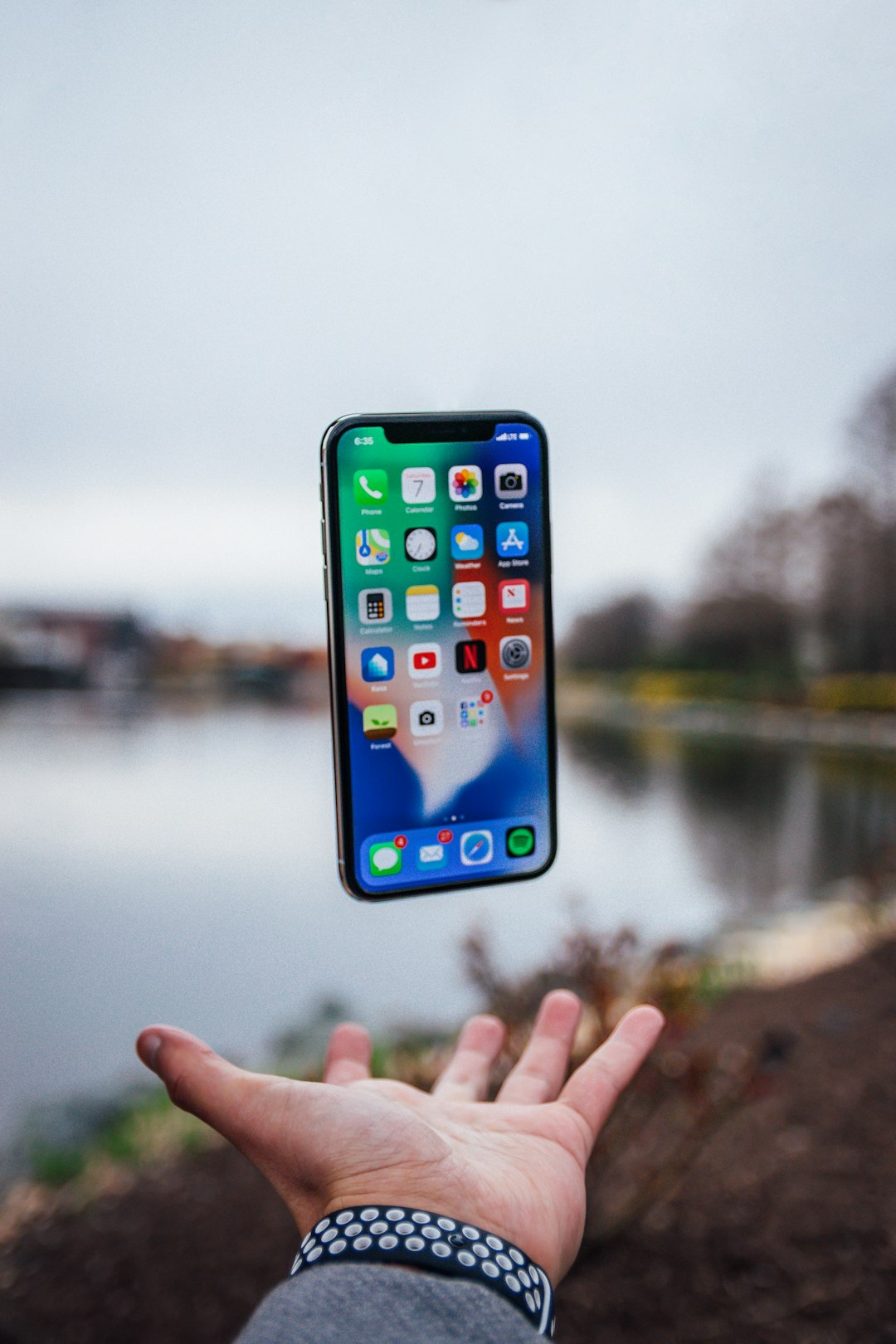
In the battle against persistent robocalls, Colorado residents have a powerful ally: advanced blocking and identifying apps. These tools empower individuals to reclaim their phone lines from unwanted and often fraudulent calls, especially those emanating from out-of-state or international numbers. Among the myriad options available, TrueCall and Hiya stand as industry leaders, offering robust features that make short work of identifying and blocking robocallers.
TrueCall, for instance, integrates AI technology to analyze incoming call patterns, instantly flagging potential spam or fraudulent calls. Its extensive community-driven database identifies not only known robocaller numbers but also emerging threats, ensuring a proactive defense against evolving scams. Similarly, Hiya employs machine learning algorithms that learn from user reports and feedback, continuously refining its ability to detect malicious callers. Both apps offer customizable blocking lists, allowing users to add specific phone numbers or ranges to their blocklists for enhanced protection.
Beyond blocking, these applications provide valuable insights into call patterns and origins, offering a level of transparency crucial in navigating the complex world of robocalls. By analyzing call metadata, they can pinpoint the geographic source, helping users—and legal professionals like a lawyer for robocall laws in Colorado—to understand the scope and intent behind these intrusions. This data is not just useful; it’s empowering, enabling individuals to take collective action against aggressive call centers and unscrupulous marketing practices.
Taking Action: Seeking Compensation & Legal Advice
In addition to utilizing blocking apps and smart call filtering, individuals in Colorado facing an excessive number of robocalls have powerful tools at their disposal when it comes to taking action. One crucial step is to seek compensation for the annoyance, inconvenience, and potential fraud these calls may cause. According to a study by the Federal Trade Commission (FTC), Americans lost over $15 billion to robocall scams in 2020, highlighting the need for robust legal protections. A lawyer for robocall in Colorado can provide expert guidance on pursuing compensation through class-action lawsuits or individual claims against telemarketers and call centers violating state and federal laws, such as the Telephone Consumer Protection Act (TCPA).
Beyond financial redress, consulting with a specialized lawyer is essential to understand one’s legal rights and options. A Colorado robocall lawyer can investigate the source of the calls, determine if personal information was improperly acquired or used, and advise on potential legal action against perpetrators. This may include filing a complaint with relevant regulatory bodies like the Colorado Public Utilities Commission (CPUC) or seeking damages for violations of privacy laws. It’s important to act promptly; according to a 2021 report by Consumer Reports, robocalls are at an all-time high, with over 47 billion calls placed in the U.S. alone during the first half of the year.
Proactive measures include registering your phone number on the National Do Not Call Registry and utilizing apps that offer advanced call blocking capabilities. However, for more severe cases where robocalls persist despite these precautions, enlisting the help of a legal professional is a vital step in reclaiming peace of mind and protecting oneself from potential frauds. A lawyer specializing in robocall lawsuits can navigate complex legal procedures, ensuring victims receive just compensation and the persistent nuisance of unwanted calls is effectively addressed.