
Colorado's Telephone Consumer Protection Act (TCPA) regulates robocalls, requiring prior consent for marketing calls. While identifying legitimate calls from illegal telemarketing is difficult, robocall blocker apps can assist. Consumers should choose apps with high call identification accuracy, integration with contact lists, privacy protections, and advanced blocking features. Top apps use AI to learn calling patterns and block spam. Consultation with a robocall Attorney Colorado offers legal guidance for balanced protection while adhering to TCPA guidelines. Proactive measures significantly reduce robocall exposure.
In today's digital era, Colorado residents face an increasingly annoying problem: robocalls. These automated phone calls, often from unknown sources, can disrupt daily life and pose security risks, especially when they involve fraud or scams. To combat this growing concern, understanding how to choose the right robocall blocker app is crucial. This comprehensive guide, tailored for Colorado residents, will walk you through the key features, benefits, and considerations of various apps, empowering you to make an informed decision and protect yourself from unwanted calls with the help of a robocall Attorney Colorado-approved solution.
Understanding Robocalls in Colorado: Legal Perspective
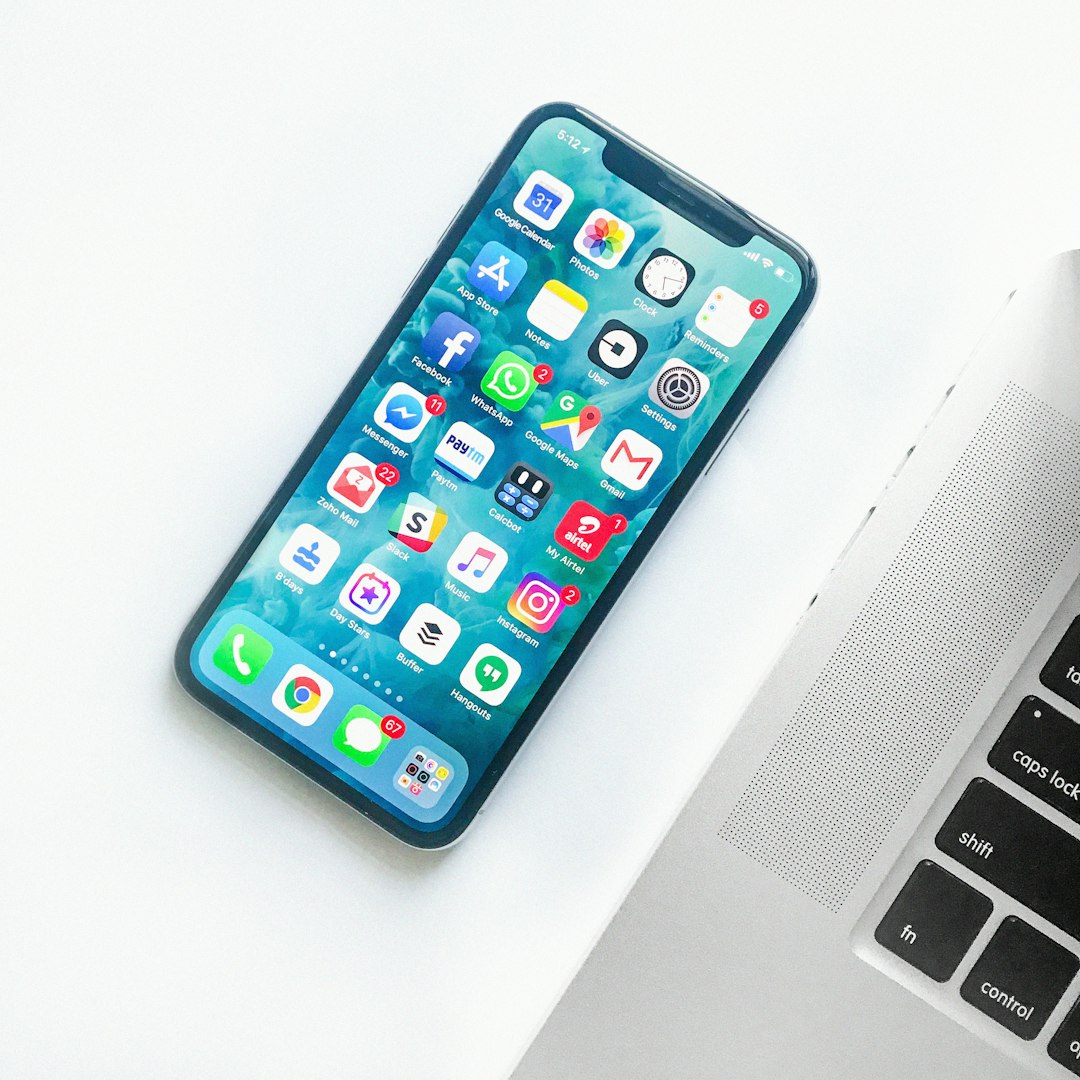
In Colorado, as across the nation, robocalls have become a ubiquitous yet often unwanted part of daily life. These automated phone calls, designed to reach a wide audience swiftly, can range from legitimate marketing efforts to fraudulent schemes aimed at personal and financial information theft. Understanding the legal perspective on robocalls is crucial for Coloradans seeking to protect themselves against these intrusions. The Telephone Consumer Protection Act (TCPA) serves as the primary legislation governing robocalls in the United States, including Colorado. According to the TCPA, businesses must obtain prior express consent from individuals before placing automated calls for marketing purposes.
Robocall Attorney Colorado emphasizes that while the law provides protections, it also allows certain types of non-marketing robocalls, such as those related to emergency purposes, debt collection, or government notifications. However, the line between legitimate and illegal robocalls can be blurred. For instance, a recent study by the Federal Trade Commission (FTC) revealed that over 40% of complaint calls they received in 2021 were related to telemarketing or sales calls, highlighting the prevalence and complexity of this issue. To combat these issues, consumers have taken to utilizing robocall blocker apps, which can be a double-edged sword. While effective at filtering unwanted calls, these apps must comply with TCPA guidelines to avoid themselves becoming legal violations.
Consumers should exercise caution when using robocall blocking tools and consult with a Robocall Attorney Colorado for guidance on navigating the legal complexities. Misuse of such apps can result in unintended consequences, such as blocking important alerts or legitimate sales calls. Legal experts recommend reviewing app policies and understanding their privacy implications before adoption. Additionally, staying informed about evolving legal precedents related to robocalls is essential, as new cases shape the TCPA's interpretation and application. By balancing technological solutions with legal awareness, Coloradans can better protect themselves against unwanted robocalls while ensuring compliance with relevant laws.
Evaluating Robocall Blocker Apps: Key Features to Consider

When choosing a robocall blocker app in Colorado, it's crucial to evaluate key features that go beyond simple blocking capabilities. Start by assessing the app's call identification accuracy—a robust system should be able to distinguish between legitimate calls and unwanted robocalls with high precision, utilizing advanced machine learning algorithms. For instance, some top apps achieve over 95% accuracy rates, significantly reducing false positives.
Next, consider integration options. A seamless experience with your existing communication tools is vital. Look for apps that sync with your smartphone's contact list and call history, allowing easy management of blocked numbers. Moreover, cloud-based solutions offer the advantage of synchronized blocking across multiple devices, ensuring consistent protection whether you're using your home phone or mobile device.
Privacy and security are paramount. Ensure the app has a proven track record of protecting user data and complies with privacy regulations like COPPA (Children's Online Privacy Protection Act). Some apps even offer additional features like call filtering and personalized blocking rules, enabling you to create custom filters based on caller ID, number ranges, or specific keywords. These advanced settings provide a more tailored approach, especially for individuals concerned about privacy, such as those seeking protection from telemarketers or fraudsters.
Choosing the Best App: Your Guide to Stopping Unwanted Calls

Choosing the best robocall blocker app can seem like navigating a complex labyrinth, especially with the ever-evolving tactics used by telemarketers and fraudsters. As a Colorado resident, you're not only entitled to peace and quiet but also protected by state laws that limit unwanted calls, including those from robocalls. Engaging the services of a reputable robocall blocker app is your first line of defense against these intrusive and often illegal calls.
Start by assessing the features offered by various apps. Look for robust call-screening capabilities, real-time blocking, and accurate call classification that distinguishes between legitimate calls and robocalls. For instance, some top-rated apps use advanced AI algorithms to learn and adapt to your calling patterns, effectively blocking known spam numbers. Verify the app's reputation and user feedback to gauge its effectiveness and reliability. A robocall attorney in Colorado can provide insights into legal protections and the latest trends in scam call prevention, ensuring you choose an app that aligns with both your privacy needs and the law.
Data privacy is another crucial consideration. Ensure the app has a strong track record of protecting user data and offers transparent policies regarding information storage and usage. Some apps allow customization to block specific types of calls or numbers, providing tailored protection. Regularly update the app to benefit from enhanced features and security patches. Remember, no app is foolproof, but staying informed and proactive can significantly reduce your exposure to robocalls and ensure a quieter, safer communication experience.