Robocalls remain a significant issue in Colorado, with laws like TCPA and the state Telemarketing Act. Coloradans can protect themselves by registering on the National Do Not Call Registry, using blocking apps (e.g., TrueCall, NoMo Robo, Hiya), and staying informed about legal protections. Apps offer effective solutions, but a combination of legal awareness and proactive measures is key for long-term protection, including consulting Colorado's Do Not Call law firms. Staying informed and reporting suspicious calls to local authorities also helps combat robocalls.
In today’s digital era, the convenience of technology has been marred by an increasing plague: robocalls. For Colorado residents, these automated phone calls from telemarketers and unscrupulous law firms have become a nuisance, leading to privacy concerns and frustration. The Do Not Call laws are a step in the right direction, but they aren’t enough. This article delves into effective solutions by recommending top-tier robocall blocking apps tailored specifically for Colorado residents, empowering them to reclaim their phone lines and enjoy a quieter, more peaceful communication environment.
Understanding Robocalls in Colorado: The Legal Perspective

Robocalls remain a persistent nuisance for Colorado residents, with a significant rise in automated calls from telemarketers and unscrupulous businesses over the past decade. While many apps promising robocall blocking have emerged, understanding the legal framework behind these calls is crucial for effective mitigation. In Colorado, The Telephone Consumer Protection Act (TCPA) plays a pivotal role in regulating unwanted phone communications. This federal law, enforced by the Federal Communications Commission (FCC), specifically prohibits automated dialing systems from making prerecorded or artificial messages to personal phones without prior express consent.
The legal perspective offers a strategic approach for Colorado residents to combat robocalls. For instance, a recent FCC ruling strengthened the TCPA by defining “automatic telephone dialing system” more broadly, effectively targeting advanced robocall technologies. This has resulted in significant penalties for violators, with fines reaching millions of dollars. Moreover, state laws like Colorado’s Telemarketing Act complement federal regulations, providing additional safeguards against deceptive telemarketing practices. Do Not Call law firms in Colorado naturally fall under these provisions, ensuring residents’ privacy and peace of mind.
Practical advice for Coloradans includes registering their phone numbers on the National Do Not Call Registry, a first step in curtailing unwanted calls. Additionally, staying informed about evolving legal protections and reporting suspicious calls to relevant authorities can significantly contribute to combating the robocall epidemic. While blocking apps offer some relief, a comprehensive strategy involving legal awareness and proactive measures is essential for long-term protection against these intrusive communications.
Top Robocall Blocking Apps for Coloradans
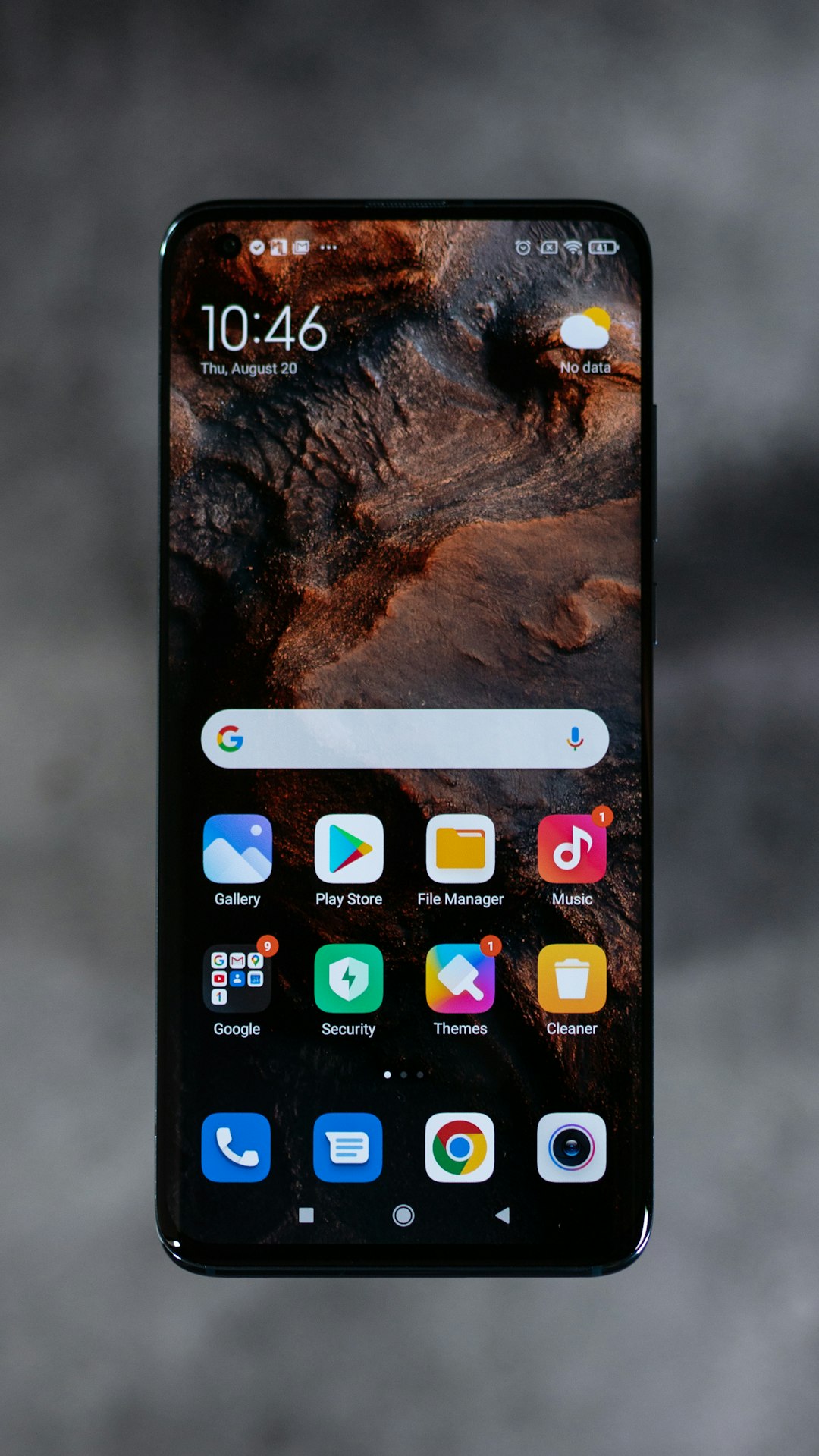
In Colorado, as in many other states, robocalls have become a persistent nuisance for residents. With advancements in technology, scammers and telemarketers are leveraging automated dialing systems to make unsolicited calls en masse, often with deceptive numbers or hidden identities. This has led to increased frustration among Coloradans seeking relief from these unwanted intrusions. Fortunately, robust solutions exist in the form of robocall blocking apps designed specifically to protect consumers in Colorado.
Topping the list for effective robocall blocking is TrueCall, an industry-leading app that utilizes advanced machine learning algorithms to identify and block spam calls. It distinguishes itself by offering real-time call analysis and a robust community-driven reporting system, ensuring continuous updates on new scammer numbers. Another notable mention is NoMo Robo, which leverages the Do Not Call laws in Colorado, automatically blocking calls from known telemarketers and providing customizable filtering options. For users concerned about privacy, Hiya stands out for its transparent approach, allowing users to see who’s calling and why, while intelligently blocking unwanted or suspicious numbers.
Beyond these apps, it’s crucial for Coloradans to stay informed about the Do Not Call laws in their state. The Federal Trade Commission (FTC) mandates that telemarketers honor requests to stop calling, and many states have added protections against robocalls. By registering on the National Do Not Call Registry and using approved blocking apps, residents can significantly reduce the number of unwanted calls. Additionally, staying vigilant and reporting suspicious or harassing calls to local authorities can help bolster collective defenses against these modern-day nuisances.
Protecting Your Rights: How to Navigate Do Not Call Lists
Colorado residents facing an onslaught of robocalls have a powerful tool at their disposal—Do Not Call lists and related apps. Understanding how these lists work and your rights under the Do Not Call law is crucial to protecting your privacy. In Colorado, the Do Not Call law, enforced by the Colorado Public Utility Commission (PUC), grants consumers the right to block unsolicited phone calls from telemarketers. This includes automated or prerecorded messages, commonly known as robocalls.
One effective strategy is to register your number with national Do Not Call registries like the National Do Not Call Registry maintained by the Federal Trade Commission (FTC). In addition, several robust app options are available for Colorado residents. These apps not only block robocalls but also provide detailed insights into incoming calls’ origins. For instance, TrueCall and Hiya are popular choices, leveraging crowd-sourced data to identify and block unwanted calls. Another app, NoMo, offers advanced features like call filtering based on caller ID and time of day.
While these apps offer significant protection, it’s important to note that not all robocalls can be blocked. Some calls originate from companies with which you have an existing relationship or are exempt under the law. As a consumer, you have the right to file complaints against persistent violators with the PUC. By staying informed and utilizing available tools, Colorado residents can reclaim control over their phone lines, ensuring that unwanted robocalls are kept at bay. Regularly updating app settings and reviewing your call history for suspicious activity is key to maintaining privacy.