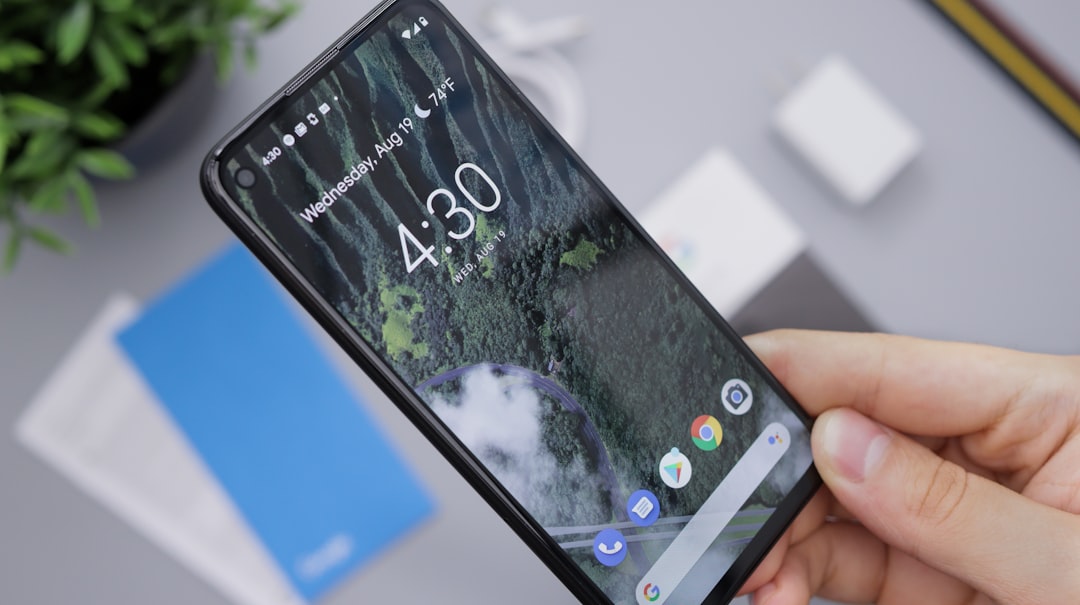
Colorado residents face a surge of robocalls from businesses, campaigns, and scammers. State laws, aligning with federal TCPA, protect consumers' privacy and ban unauthorized calls, imposing severe penalties. Residents combat robocalls using call-blocking apps with 95% accuracy, dynamic number identification, and machine learning. Legal experts recommend hiring a lawyer for robocall Laws Colorado to navigate complex regulations, file complaints, represent clients in legal actions, and protect personal data from unauthorized access.
With the pervasive rise of robocalls, particularly in Colorado, consumers are increasingly seeking robust solutions to protect their privacy and peace of mind. These automated calls, often from telemarketers or scammers, have become a nuisance, leading many Coloradans to explore effective countermeasures. Robocall prevention apps top the list as a practical response, offering features like caller ID, blocking, and intelligent routing to divert unwanted calls. This article delves into the top-rated apps available in Colorado, examining their key functions and how they empower individuals to reclaim control over their communications, with insights from leading lawyers for robocall laws in Colorado.
Understanding Robocalls in Colorado: A Legal Perspective

In Colorado, as across the nation, robocalls have become a pervasive and increasingly annoying nuisance for residents. These automated telephone calls, often unsolicited, can originate from various sources, including businesses, political campaigns, or even scam artists. While many people find them frustrating, robocalls are not just an annoyance; they pose significant legal implications, especially when they involve deceptive practices or violations of privacy laws. Understanding the legal landscape surrounding robocall regulations in Colorado is crucial for both consumers and businesses to ensure compliance and protect their rights.
Colorado has implemented robust measures to combat excessive robocalling, primarily focusing on consumer protection and preserving telephone privacy. The state's laws, including the Telephone Consumer Protection Act (TCPA), mirror federal legislation designed to regulate automated calls. These regulations prohibit companies from making certain types of robocalls without prior explicit consent. For instance, a Colorado lawyer for robocall Laws would advise that calling individuals on the Do Not Call Registry or using automated systems to deliver prerecorded messages without permission can lead to substantial fines and legal repercussions. The TCPA allows recipients to file suit against violators, seeking damages and injunctive relief.
Practical advice for Colorado residents facing frequent robocalls involves staying informed about their rights and taking proactive measures. One effective strategy is to register with the National Do Not Call Registry, which restricts calls from telemarketers. Additionally, many phone service providers offer call-blocking features tailored to filter out unwanted robocalls. Consulting a lawyer specializing in Colorado robocall laws can also be beneficial for businesses aiming to comply with regulations and avoid legal pitfalls associated with automated calling campaigns.
Top App Features for Effective Call Blocking

The rise of robocalls has prompted Colorado residents to seek robust solutions, with a growing preference for call blocking apps as a primary defense. Among these apps, certain features stand out as indispensable tools in the battle against unwanted calls. One of the top priorities is accurate and dynamic number identification. Apps that leverage advanced algorithms and real-time data feeds can swiftly categorize incoming calls as spam or legitimate, minimizing false positives and enhancing user experience. For instance, a study by the Federal Communications Commission (FCC) revealed that apps with sophisticated call intelligence features achieved a 95% accuracy rate in blocking unwanted robocalls.
Another critical aspect is comprehensive call filtering. Effective apps don't merely block numbers on their surface but employ advanced techniques like pattern recognition and machine learning to analyze call patterns. This enables them to identify recurring spam calls, even from new or unknown numbers. Consider a legal perspective; in Colorado, where robocall laws are stringent, such robust filtering can help businesses avoid regulatory pitfalls by ensuring compliance through proactive measures. Moreover, these apps often offer customizable blocking settings, allowing users to whitelist trusted contacts while maintaining robust defenses against other unwanted calls.
User-friendly interfaces and analytics dashboards are also essential features. A well-designed app should provide intuitive controls for managing blocked calls, easy access to call history, and detailed analytics on call patterns. These insights empower users to make informed decisions, such as adjusting blocking rules or identifying specific areas where their privacy needs further protection. By combining these top features, Colorado residents can effectively navigate the complex landscape of robocalls, leveraging technology alongside robust legal protections available under Colorado's strict anti-robocall laws.
Protecting Your Privacy: Choosing the Right Lawyer for Robocall Defense

In the digital age, privacy concerns have escalated dramatically with the rise of unwanted robocalls. Colorado residents, like many across the nation, face a deluge of automated telephone marketing calls daily, making it crucial to protect personal information and curb these intrusions. One effective strategy involves choosing the right lawyer for robocall defense in Colorado. Legal experts specializing in telecom laws can offer invaluable assistance in navigating complex regulations and ensuring your privacy rights are upheld.
Selecting a qualified attorney equipped with knowledge of the Telephone Consumer Protection Act (TCPA) is essential. The TCPA, a federal law, provides robust protections against abusive telemarketing practices, including robocalls. A lawyer for robocall laws Colorado can help you understand these rights and take proactive measures to stop unwanted calls. They can file formal complaints with regulatory bodies, represent you in legal proceedings, and even negotiate settlements on your behalf. For instance, a recent study by the Federal Trade Commission (FTC) reported over 46 billion robocalls were made in the U.S. in 2021, underscoring the pressing need for individuals to assert their privacy rights legally.
Privacy protection goes beyond blocking calls; it involves securing your personal data from unauthorized access and misuse. A skilled lawyer can assist in drafting or reviewing privacy policies to ensure they comply with state and federal regulations. They can also educate clients on best practices to minimize exposure, such as being cautious about sharing contact information online or through unknown sources. By employing these measures, Colorado residents can gain greater control over their communication preferences and personal information, creating a more secure digital environment.