
Colorado residents face a surge in robocalls due to permissive state laws. To combat this, understanding robocall Laws Colorado is vital, aligning with federal restrictions under the Telephone Consumer Protection Act (TCPA). Expert advice includes using blocking apps like TrueCall and Hiya, which employ advanced algorithms, voice analysis, and community-driven databases. Staying informed about laws, registering on the Do Not Call list, and reporting suspicious calls to the FTC are also crucial. By combining technological solutions with legal awareness, Coloradans can reclaim control over their communication channels.
In today's digital age, our phone lines are increasingly cluttered with unwanted robocalls, a growing nuisance for Colorado residents. These automated calls, often promoting products or services, can be persistent and invasive, leading to frustration and privacy concerns. The Colorado laws regarding robocalls provide some protections, but consumers still need effective tools to mitigate this issue. This article offers comprehensive guidance on the best robocall blocking apps designed specifically for Colorado residents, empowering them to regain control of their phone lines and enjoy a quieter, more peaceful communication experience.
Understanding Robocalls and Colorado Law

Robocalls, automated telephone calls from unknown numbers, have become a pervasive nuisance across Colorado, as they are nationwide. While many residents use blocking apps to mitigate these unwanted calls, understanding the legal framework surrounding robocalls is crucial for effective prevention. The Telephone Consumer Protection Act (TCPA), federal legislation with significant impact in Colorado and other states, restricts automated telemarketing calls, including robocalls, without prior express consent from recipients.
In Colorado, the laws concerning robocalls align closely with the TCPA, providing individuals with powerful protections against unwanted telephone marketing. The state's Attorney General has actively enforced these laws, demonstrating a commitment to safeguarding residents' privacy and peace of mind. According to recent data, Colorado has seen a steady increase in consumer complaints related to robocalls, highlighting the growing concern among residents. This trend underscores the importance of both individual actions and legislative efforts to combat this pervasive issue.
Expert advice for Colorado residents includes being vigilant about unknown calls and implementing robust blocking measures through reputable apps. Additionally, staying informed about state and federal robocall Laws in Colorado empowers individuals to take proactive steps against unwanted telemarketing. By combining technological solutions with legal awareness, Coloradans can better navigate the landscape of automated calls and reclaim control over their communication channels.
Identifying and Blocking Common Robocallers
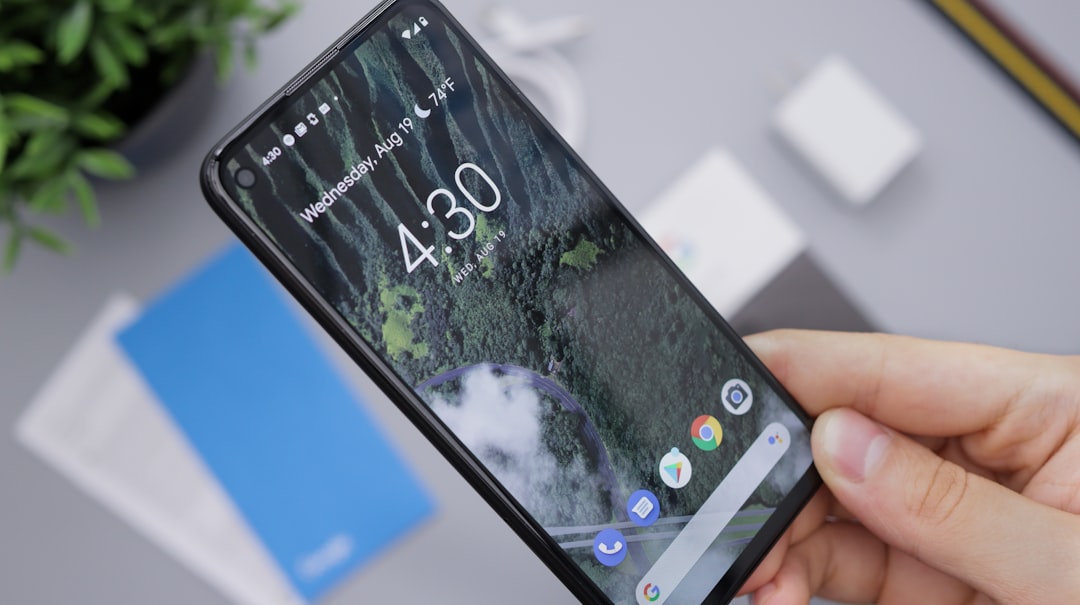
Colorado residents face a unique challenge in the form of increasing robocalls, driven partly by state's permissive robocall laws. To combat this, identifying and blocking common robocallers is paramount. Start by recognizing the patterns—many repeat offenders use similar numbers or prefixes. The Do Not Call Registry, while effective, isn't foolproof against new, sophisticated call centers that frequently change their numbers.
Advanced call blocking apps offer robust solutions. They employ sophisticated algorithms to detect and block robocalls based on caller ID data, voice analysis, and historical patterns. Consider apps with regular database updates to ensure they can keep pace with evolving scammer tactics. For instance, TrueCall or Hiya are popular options that learn from community feedback, enhancing their accuracy over time.
Additionally, report suspicious calls to the Federal Trade Commission (FTC) using tools provided by CallProtect or similar services. This collective effort aids in identifying and blocking malicious call sources under Colorado's consumer protection laws. Proactive measures, combined with community reporting, significantly reduce the nuisance and risk posed by robocalls.
Top Robocall Blocking Apps for Coloradans

Colorado residents face unique challenges when it comes to robocalls due to the state's consumer protection laws, including restrictions on automated telemarketing calls. With the proliferation of unwanted calls, many Coloradans are seeking robust solutions like robocall blocking apps to regain control of their communications. The effectiveness and features of these apps vary significantly, making it crucial to choose wisely based on individual needs and call patterns.
Top-rated apps like CallHop, Hiya, and TrueCall stand out for their advanced call identification and blocking capabilities. CallHop, for instance, integrates seamlessly with popular smartphone operating systems, allowing users to automatically block political robocalls and other unwanted interactions. Hiya leverages a community-driven database that learns and evolves over time, identifying both legitimate callers and spammer patterns. TrueCall offers not only blocking but also detailed call insights, including the ability to see which companies have called and their likelihood of being a scam.
Another notable app, Robokill, employs advanced machine learning algorithms to detect and block robocalls with impressive accuracy rates. Its interface is user-friendly, making it accessible for all ages. For those concerned about privacy, apps like Privacy Shield offer additional security measures beyond call blocking, ensuring that personal data remains protected from unwanted intrusions. These apps provide a layered defense against robocalls, offering peace of mind in compliance with Colorado's robocall laws and enhancing the overall user experience.
Navigating Legal Protections Against Robocalls

Colorado residents face a complex landscape when it comes to navigating robocalls due to evolving robocall laws. While state and federal regulations offer protections, understanding your rights requires careful consideration. The Telephone Consumer Protection Act (TCPA) serves as a cornerstone, prohibiting automated calls for marketing purposes without prior consent. However, nuances arise in interpreting "prior consent," especially with shared numbers or changed circumstances.
Colorado's unique robocall laws, like the state's Do Not Call registry and specific rules for political and non-profit organizations, provide added layers of protection. For instance, a Colorado resident who registers their number on the state's Do Not Call list is entitled to legal recourse against persistent robocalls. Furthermore, businesses must adhere to strict guidelines when using automated systems, including obtaining express consent and providing opt-out mechanisms.
Practical advice for residents involves staying informed about these robocall laws and asserting their rights. Keeping personal information private, using approved blocking apps, and reporting suspected illegal calls can help mitigate the issue. While technology offers solutions, staying abreast of legal developments ensures that Colorado residents remain protected in this ever-evolving arena. Effective navigation of these protections requires a combination of technical tools and legal understanding.