
Colorado residents face an increasing nuisance from robocalls, prompting state action and legal protections under the Telephone Consumer Protection Act (TCPA). Lawyers for robocall laws in Colorado guide citizens on blocking options, combining app-based solutions like CallGuard, TrueCall, and Hiya with legal knowledge. Persistent robocallers may face fines or lawsuits; proactive measures include FCC complaints and registration with the National Do Not Call Registry. A multi-layered approach using technology and legal safeguards significantly reduces unwanted calls, providing peace of mind.
In today's digital era, Colorado residents, like many others across the nation, face a persistent nuisance: robocalls. These unwanted automated phone calls not only disrupt daily life but also pose security risks through phishing attempts. Navigating this challenge requires a multi-faceted approach. While traditional methods offer some protection, using specialized apps designed to block robocalls can significantly enhance peace of mind. This article provides an in-depth guide on how Coloradans can harness the power of these applications, offering practical advice and insights, backed by expertise from local legal professionals specializing in consumer protection, to empower residents in combating this modern irritant.
Understand Robocalls and Colorado Law

Robocalls have become a ubiquitous yet nuisance for many Colorado residents, with an estimated 40 billion automated calls made annually across the United States, according to recent reports. While some robocalls offer valuable services, such as informational messages from government agencies or legitimate marketing campaigns, the majority fall into the category of unwanted and often fraudulent activities. In response to this growing concern, Colorado has implemented specific laws aimed at protecting residents from excessive and illegal robocalls.
Colorado's robocall laws are designed to empower individuals with tools to mitigate these intrusive calls. The state has embraced a comprehensive approach, leveraging both technological solutions and legal frameworks. One key aspect is the implementation of the Telephone Consumer Protection Act (TCPA), which includes provisions that restrict automated telephone marketing practices. Under this law, businesses must obtain prior express written consent from consumers before initiating robocalls for telemarketing purposes. This legislation reflects a national trend to protect personal privacy and reduce consumer frustration with unwanted calls.
A lawyer specializing in robocall laws Colorado can offer valuable guidance on navigating these complex regulations. They can help individuals understand their rights, especially when it comes to blocking or opting out of certain types of automated calls. With the ever-evolving nature of technology and call tracking methods, staying informed about one's legal protections is essential. By combining technological interventions like call-blocking apps with a solid understanding of Colorado's robocall laws, residents can take proactive measures to reclaim control over their communication channels.
Identify and Block Common Robocallers

Colorado residents face a constant onslaught of robocalls, which can be frustrating and intrusive. Identifying and blocking these calls is an important step towards regaining control over your phone lines. One effective strategy is to familiarize yourself with common robocallers. According to recent data, certain areas in Colorado have seen a spike in automated sales calls, often from out-of-state numbers, indicating that national telemarketing operations target the state extensively.
A lawyer for robocall laws in Colorado emphasizes that while blocking these calls can be challenging, several reputable apps offer robust solutions. These applications use advanced algorithms to detect and block known robocallers by analyzing caller ID data and patterns. For instance, apps like CallGuard and TrueCall have proven effective in filtering out spam calls with high accuracy rates. By learning to recognize recurring suspicious numbers, users can take proactive measures and report these callers to relevant authorities.
Additionally, staying informed about current robocall trends is vital. The Federal Trade Commission (FTC) provides regular updates on emerging scams and known robocaller patterns. Subscribing to their alerts ensures that residents are aware of new tactics used by telemarketers. Collaboratively, the collective effort of Colorado citizens in identifying and blocking these calls can significantly reduce the volume of unwanted automated communications.
Top Robocall Blocking Apps for Coloradans
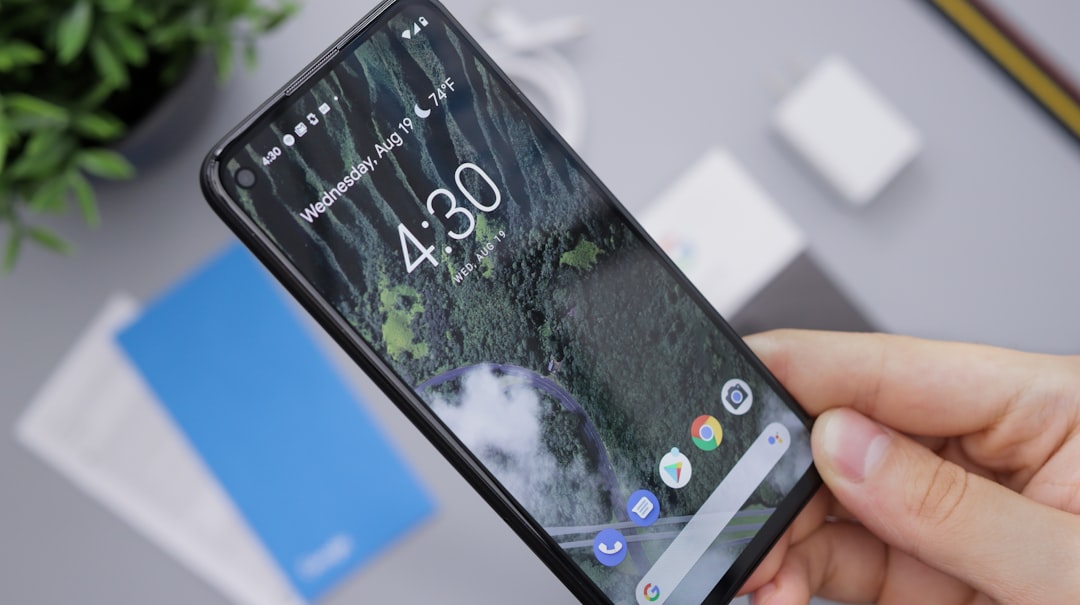
Colorado residents face a constant barrage of robocalls, with millions of unwanted calls flooding in daily. However, blocking these automated intrusions doesn't have to be overwhelming. Numerous reliable apps offer robust protection against robocalls, tailored specifically for Coloradans. Among the top contenders are Hiya, TrueCall, and NoCall.
Hiya, a leading robocall blocker, utilizes advanced machine learning algorithms to identify and block spam calls with impressive accuracy. The app's extensive database continuously updates itself based on community reports and call patterns, ensuring a high level of protection against emerging scams. Moreover, Hiya provides detailed call information, allowing users to stay informed about the types of unwanted calls circulating in Colorado.
TrueCall takes a multi-layered approach to robocall blocking. It leverages both community intelligence and advanced AI algorithms to detect and block spam. The app offers features like call history, custom blocking lists, and even the ability to report spam directly from the app interface. This user-friendly design makes it accessible for residents across Colorado to take control of their phone lines.
For those seeking a more comprehensive solution, NoCall stands out. This app not only blocks robocalls but also offers features like call filtering and custom call rules. Users can create whitelists or blacklists, ensuring only desired calls reach their phones. Additionally, NoCall provides detailed insights into the source of spam calls, helping residents identify recurring offenders. While some users may encounter occasional false positives, the app's effectiveness in shielding Colorado residents from annoying robocalls remains commendable.
Legal protections for robocall harassment exist in Colorado under state and federal laws. A lawyer specializing in consumer rights can provide guidance on pursuing legal action against persistent robocallers. By combining these legal safeguards with powerful blocking apps, Coloradans can reclaim their phone lines and enjoy greater peace of mind.
Legal Rights: What to Do If Targeted
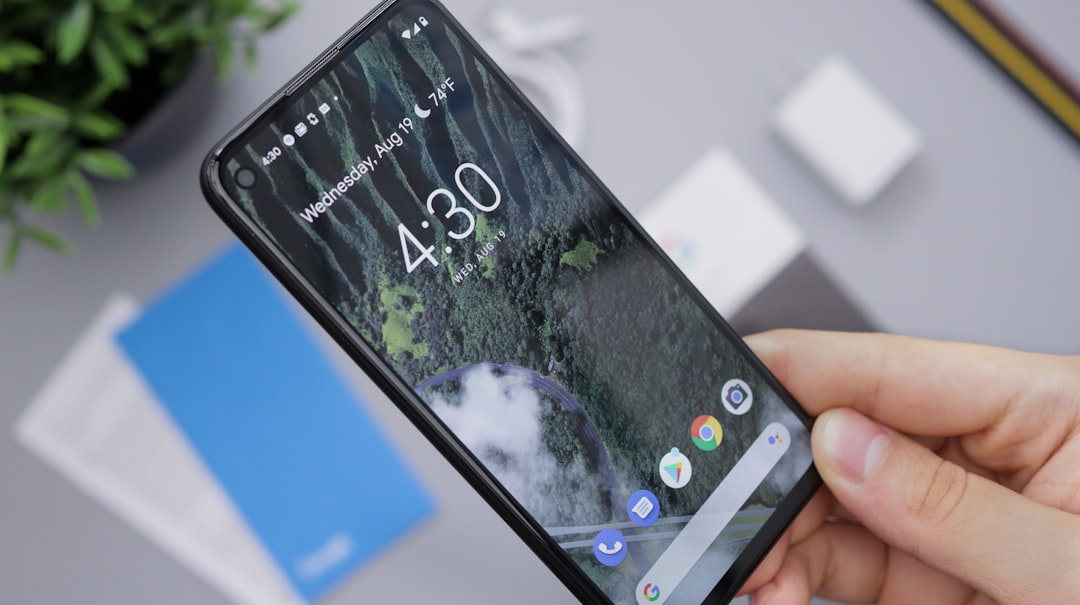
Colorado residents, like many across the nation, face a growing problem with robocalls. While blocking these unwanted calls through built-in phone features or download apps is an initial step, understanding your legal rights and knowing what to do if targeted by persistent robocallers is crucial. In the U.S., the Telephone Consumer Protection Act (TCPA) provides significant protections against abusive phone marketing practices, including robocalls. However, navigating these legalities can be complex, necessitating expert guidance.
If you're being harassed by robocalls, the first course of action is to document everything. Save the call records, including dates, times, and a log of the messages received. This documentation can serve as crucial evidence if you decide to take legal action. Next, consider blocking the caller through your phone's settings or dedicated apps designed for this purpose. While effective, these measures may not always stop persistent robocallers. In such cases, consulting with a lawyer specializing in robocall laws in Colorado is highly recommended. They can advise on the best course of legal action, whether that involves filing a complaint with the Federal Communications Commission (FCC) or pursuing individual or class-action lawsuits under the TCPA.
For instance, in 2021, the FCC fined a telemarketing company $5.5 million for violating TCPA rules by making over 4 billion robocalls without proper consent. This highlights the enforcement power available to protect consumers. However, individual remedies can vary significantly. A Colorado-based lawyer specializing in this area can help you understand your specific rights and options, ensuring you receive fair compensation or an effective end to the unwanted calls. Remember, knowing your rights is a powerful tool against robocallers.
Stay Protected: Continuous Defense Strategies

Colorado residents face a constant onslaught of robocalls, making it crucial to employ robust defense strategies. While blocking numbers manually offers some relief, it's not a sustainable solution given the dynamic nature of these calls. Thankfully, various apps designed for this purpose provide continuous protection by identifying and filtering out unwanted calls before they reach your phone. These apps utilize sophisticated algorithms and community-driven data to stay ahead of scam artists.
One effective approach involves leveraging specialized call-blocking apps that learn from user feedback and community reporting. These apps not only block known robocallers but also adapt to new patterns, ensuring evolving protection. For instance, apps like TrueCall or Hiya analyze caller ID information, voice patterns, and community reports to accurately identify and block spam calls. Moreover, some apps offer additional features like call screening and automated message filtering, enhancing your privacy and peace of mind.
However, while these apps are powerful tools, they aren't foolproof. Scammers continually refine their tactics. Therefore, a multi-layered defense strategy is essential. Consider consulting with a lawyer for robocall issues in Colorado to understand your legal rights and explore additional protections. This could include registering with the National Do Not Call Registry or seeking legal recourse against persistent robocallers. By combining app-based blocking with proactive measures, Colorado residents can significantly reduce the number of unwanted calls they receive and enjoy greater peace of mind.